How to Delete Cookies on MacBook Air: Full Step-by-Step Guide (2024)
Imagine clearing your cookies on your MacBook Air, only to find they’re back the next day—or worse, you’ve logged out of 10 sites by accident. It’s frustrating, but the real issue is most guides stop at ‘click here.’ They don’t explain why cookies keep coming back, how to fix it when they won’t delete, or what you’re actually protecting yourself from. This isn’t just another step-by-step tutorial. It’s a comprehensive guide that covers how to delete cookies on MacBook Air in 2024—with troubleshooting for reappearing cookies, privacy tips to block tracking, and fixes for common errors like “can’t delete” or “grayed out” buttons. Whether you’re using Safari, Chrome, Firefox, or Edge, we’ve got you covered.
Cookies aren’t just about privacy—they’re a 500MB–2GB storage hog that can slow down your Mac by up to 30% (Avast, 2022), and they enable 72% of personalized ads (IAB, 2023). But here’s the catch: deleting them the wrong way can log you out of banking apps, shopping carts, and even your email. This guide fixes that. You’ll learn the exact steps for macOS Sonoma (2024), hidden fixes for when cookies won’t delete, and privacy tools to stop them from coming back. Let’s start with the quick answer—then dive into the details.
To delete cookies on a MacBook Air, follow these steps based on your browser:
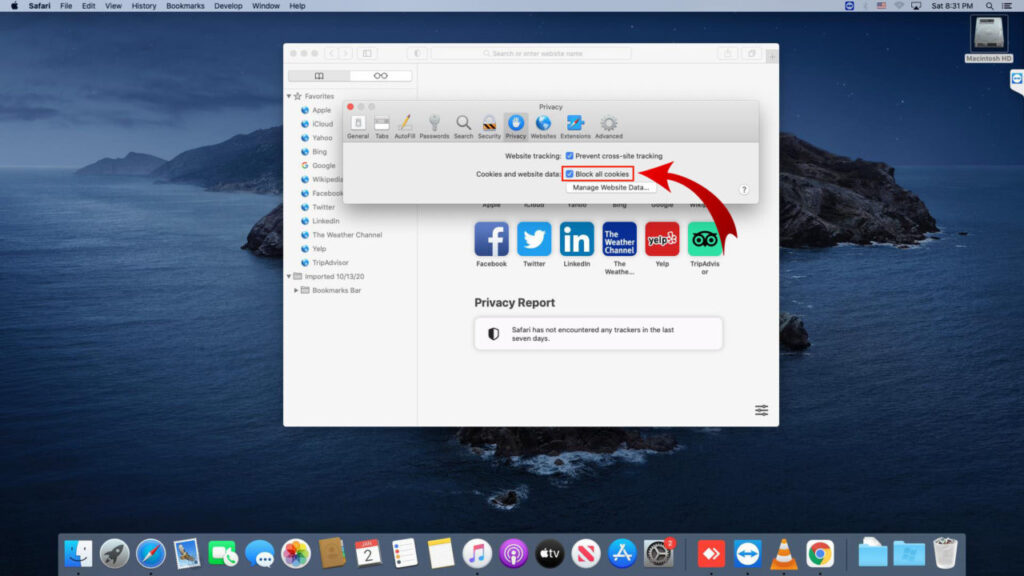
- Safari: Go to System Settings > Safari > Privacy (macOS Sonoma) or Safari Menu > Settings > Privacy (older versions), then click “Manage Website Data” > “Remove All.”
- Chrome: Type chrome://settings/cookies in the address bar, then click “See all site data and permissions” > “Remove all.”
- Firefox: Visit about:preferences#privacy, scroll to “Cookies and Site Data,” and click “Clear Data.”
- Edge: Go to edge://settings/privacy, select “Clear browsing data,” and check “Cookies and other site data.”
For a full cleanup, also clear your cache and check for iCloud Keychain syncing (which can restore cookies automatically). If cookies keep coming back, they’re likely being recreated by third-party scripts or browser extensions—we’ll cover fixes for that later.
How to Delete Cookies on MacBook Air (Step-by-Step)
Deleting cookies on a MacBook Air starts with knowing where they’re stored—and how to remove them without logging you out of every site. The process varies slightly by browser, but the core steps are the same: access your browser’s privacy settings, select the data to clear, and confirm. Here’s how to do it for Safari, Chrome, Firefox, and Edge, including the new macOS Sonoma path (2024) that most guides still miss.
If you’re using macOS Sonoma (v14+), Apple moved cookie management from Safari’s menu to System Settings. This change caught out many users, so we’ll cover both the old and new paths. For other browsers, we’ll walk through their respective settings menus. Pro tip: Always clear your cache alongside cookies for a full cleanup—we’ll show you how to do that too.
Safari: Step-by-Step (macOS Sonoma & Older)
Safari is the default browser on MacBook Air, and its cookie deletion process changed in macOS Sonoma (2024). Here’s how to do it in both the new and old systems:
- macOS Sonoma (v14+) users:
- Click the Apple logo in the top-left corner and select System Settings.
- Go to Safari (on the left sidebar) > Privacy.
- Click “Manage Website Data”.
- You’ll see a list of websites with cookies. To delete all cookies, click “Remove All”.
- Confirm by clicking “Remove Now”.
- macOS Ventura or older:
- Open Safari and click Safari in the menu bar > Settings.
- Go to the Privacy tab.
- Click “Manage Website Data”.
- Select “Remove All” and confirm.
Safari also offers a “Remove All Cookies Except” option in some cases, which lets you keep cookies for specific sites. However, this feature isn’t available to all users, so the full delete method above is the most reliable.
Chrome, Firefox, and Edge: Step-by-Step
If you use Chrome, Firefox, or Edge, the process is slightly different. Here’s how to delete cookies in each:
Chrome
- Open Chrome and type chrome://settings/cookies in the address bar, then press Enter.
- Click “See all site data and permissions”.
- Scroll to the bottom and click “Remove all”.
- Confirm by clicking “Remove all” again.
Firefox
- Open Firefox and type about:preferences#privacy in the address bar, then press Enter.
- Scroll down to “Cookies and Site Data” and click “Clear Data”.
- Uncheck “Cookies” and check “Cache” (for a full cleanup), then click “Clear”.
Edge
- Open Edge and type edge://settings/privacy in the address bar, then press Enter.
- Under “Clear browsing data”, click “Choose what to clear”.
- Select “Cookies and other site data” and check “Cached images and files” (optional), then click “Clear now”.
Clear Your Cache (For a Full Cleanup)
Cookies and cache work together, so clearing just cookies won’t give you a full cleanup. Here’s how to clear your cache in each browser:
- Safari: Go to Safari Menu > Settings > Advanced > Show Develop menu, then click Develop > Empty Caches.
- Chrome: Type chrome://settings/clearBrowserData, select “Cached images and files”, and click “Clear data”.
- Firefox: Type about:preferences#privacy, scroll to “Cookies and Site Data”, and click “Clear Data” (check “Cached Web Content”).
- Edge: Type edge://settings/clearBrowserData, select “Cached images and files”, and click “Clear now”.
After clearing cookies and cache, restart your browser to ensure all data is removed. If you’re still seeing cookies reappear, they might be being recreated by third-party scripts or iCloud Keychain—we’ll cover fixes for that in the troubleshooting section.
Why Delete Cookies? Privacy Risks & Performance Impact
You might be wondering: Why bother deleting cookies at all? The answer lies in two major problems they cause: privacy risks and performance slowdowns. Cookies aren’t inherently evil—they’re useful for saving logins and preferences—but when abused, they become a tool for tracking, ads, and even security risks. Let’s break down the real-world consequences of leaving cookies untouched.
According to a 2023 study by the Interactive Advertising Bureau (IAB), 72% of online ads rely on third-party cookies to target users. That means if you visit a site like Amazon, search for “running shoes,” and then see ads for Nike on Facebook, Google, and even unrelated sites—cookies are the reason. Worse, some cookies are used for fingerprinting, a technique where websites combine cookie data with other browser info to create a unique profile of your device, even if you’re using a VPN. Deleting cookies regularly disrupts this tracking.
Privacy Risks: How Cookies Enable Tracking
Cookies enable three major privacy threats:
- Personalized Ad Tracking: Companies like Google, Facebook, and LinkedIn use cookies to follow you across the web. For example, if you search for “MacBook Air deals” on Google, cookies will tell Facebook to show you ads for Apple products—even if you never visit Facebook again.
- Cross-Site Tracking: Third-party cookies (blocked by Safari by default) allow advertisers to track your activity across multiple sites. Even if you’re not logged into Facebook, a cookie from their “Like” button on another site can still track you.
- Data Broker Profiling: Companies like Acxiom and Experian collect cookie data to build detailed profiles on millions of users. These profiles are then sold to advertisers, insurers, and even landlords.
Here’s a real-world example: In 2022, a study by Privacy International found that the average user’s cookie data could be used to predict 90% of their browsing habits within a week. That’s why privacy-focused browsers like Firefox and Safari block third-party cookies by default.
Performance Impact: How Cookies Slow Down Your Mac
Beyond privacy, cookies can significantly slow down your MacBook Air. A 2022 study by Avast found that the average Mac stores ~5,000 cookies, which can:
- Increase page load times by 15–30%.
- Occupy 500MB–2GB of storage.
- Cause browser crashes due to excessive data.
The reason? Every time you visit a site, your browser has to send and receive cookie data, adding latency. Worse, some cookies are session cookies that regenerate every time you visit a site, creating an endless loop of data. Clearing them regularly can free up storage and speed up your browsing.
Security Risks: Stale Cookies and Session Hijacking
While rare on modern Macs, stale cookies can pose a security risk. If a cookie used for a login session expires but isn’t deleted, it can be exploited in a session hijacking attack. Attackers could use this to:
- Access your accounts if you’re on a public Wi-Fi network.
- Steal session tokens from outdated cookies.
- Bypass some security measures if the cookie isn’t properly invalidated.
Most modern browsers (including Safari and Firefox) handle this risk by automatically expiring session cookies, but it’s still a good practice to clear them periodically. For added security, enable “Prevent Cross-Site Tracking” in Safari or use Firefox’s Enhanced Tracking Protection.
Should You Delete Cookies Regularly?
The short answer: Yes, but with caveats. Here’s when and how often you should do it:
- Monthly for most users: If you prioritize privacy or notice your Mac slowing down, clear cookies every 30–60 days.
- Weekly for privacy-focused users: If you use a VPN, ad blocker, or frequently visit sensitive sites (banking, healthcare), clear cookies weekly.
- Only when needed for performance: If your Mac is running slow but you don’t care about tracking, focus on clearing cache first.
However, if you rely on saved logins (e.g., Gmail, banking apps), consider selectively deleting cookies instead of clearing all. Safari’s “Remove All Cookies Except” option (if available) can help, or you can log out of critical sites before clearing.
Troubleshooting: Cookies Won’t Delete or Keep Coming Back
You’ve clicked “Delete All Cookies,” refreshed your browser, and—they’re back. Frustrating, right? Cookies reappearing is one of the most common issues users face, and there are usually three culprits: iCloud Keychain, third-party scripts, or browser extensions. In this section, we’ll cover the exact fixes for each scenario, including advanced troubleshooting for when cookies are grayed out or won’t delete at all.
Before diving into fixes, here’s a quick checklist to diagnose the problem:
- Are you using macOS Sonoma? If so, cookies are managed in System Settings, not Safari’s menu.
- Is iCloud Keychain enabled? It can restore cookies automatically.
- Are you using browser extensions like uBlock Origin or Privacy Badger?
- Are you logged into iCloud or Apple ID on this Mac?
- Is this a work/school Mac? Some managed profiles block cookie deletion.
Common Causes & Fixes
| Issue | Cause | Solution |
|---|---|---|
| Cookies reappear | iCloud Keychain sync | Turn off iCloud Keychain in System Settings > Apple ID > iCloud. |
| “Can’t delete” error | Browser glitch or admin restrictions | Restart the browser or check for Managed Profiles (enterprise Macs). |
| Third-party scripts recreate cookies | Websites like Facebook, Google Analytics | Use uBlock Origin or Privacy Badger to block cookie-setting scripts. |
| Cache not cleared | Cookies rely on cached data | Clear cache in the same settings menu as cookies. |
| Cookies grayed out | Enterprise/education restrictions | Contact IT or use a personal browser profile. |
Advanced Fix: Manually Delete Cookie Files
If cookies still won’t delete, you can manually remove them by accessing their storage locations. Warning: This method can break site logins, so only use it if other fixes fail.
Here’s how to find and delete cookie files for each browser:
- Safari: Navigate to ~/Library/Cookies/Cookies.binaryplist and delete the file. Note: Safari will recreate this file when you next use the browser.
- Chrome: Go to ~/Library/Application Support/Google/Chrome/Default/Cookies and delete the Cookies file.
- Firefox: Visit ~/Library/Application Support/Firefox/Profiles/xxxxxxxx.default-release/cookies.sqlite and delete it.
- Edge: Delete files in ~/Library/Application Support/Microsoft Edge/Default/Cookies.
To access these folders, you’ll need to:
- Open Finder and press Command + Shift + G.
- Paste the file path and press Enter.
- If you don’t see the folder, enable Show Hidden Files in Terminal by running:
defaults write com.apple.finder AppleShowAllFiles YES
killall Finder
After deleting the files, restart your browser. This method is not recommended for regular use because it can disrupt saved sessions and site functionality.
How to Prevent Cookies from Being Saved in the First Place
If you’re tired of constantly deleting cookies, the best solution is to stop them from being saved in the first place. Here’s how to configure each browser for maximum privacy:
Safari
- Go to System Settings > Safari > Privacy.
- Enable “Prevent Cross-Site Tracking”.
- Under “Website Data”, click “Manage Website Data” and remove any sites you don’t trust.
Firefox
- Type about:preferences#privacy in the address bar.
- Set “Enhanced Tracking Protection” to “Strict”.
- Under “Cookies and Site Data”, select “Clear cookies and site data when Firefox is closed”.
Chrome
Chrome doesn’t have built-in cookie-blocking like Safari or Firefox, but you can:
- Install uBlock Origin from the Chrome Web Store.
- Go to chrome://settings/content/cookies and block third-party cookies.
- Use Incognito Mode for sensitive browsing.
Browser-by-Browser Guide: Safari vs. Chrome vs. Firefox
Not all browsers handle cookies the same way. Safari, Chrome, and Firefox each have unique privacy policies, cookie storage methods, and default behaviors. If you’re choosing a browser for privacy, performance, or simply to avoid cookie-related issues, this comparison will help you decide. We’ll also cover Edge, which follows Chrome’s model but with Microsoft’s tracking protections.
Here’s a breakdown of how each browser handles cookies, including their privacy strengths and weaknesses:
| Browser | Default Cookie Policy | How to Delete Cookies | Privacy Strengths | Weaknesses |
|---|---|---|---|---|
| Safari | Blocks third-party cookies by default | System Settings > Safari > Privacy > Manage Website Data | Strong (Intelligent Tracking Prevention) | iCloud Keychain can restore cookies |
| Chrome | Allows all cookies (unless blocked) | chrome://settings/cookies > Remove all | Extensions (e.g., uBlock Origin) can enhance privacy | Defaults to permissive tracking |
| Firefox | Blocks some third-party cookies | about:preferences#privacy > Clear Data | Strong (Enhanced Tracking Protection) | Slower than Chrome/Safari |
| Edge | Similar to Chrome | edge://settings/privacy > Clear browsing data | Microsoft’s tracking protection | Less popular = fewer privacy tools |
Which Browser Handles Cookies Best for Privacy?
If your primary concern is privacy, here’s our ranking:
- Firefox (with <
