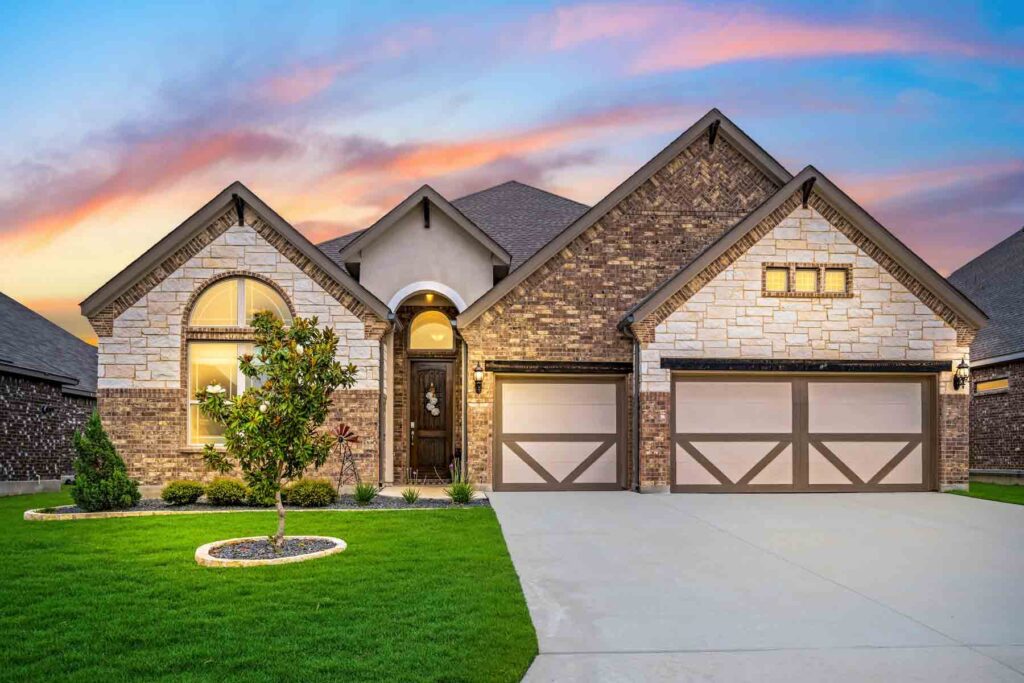
How Much Does It Cost to Build a Home in 2024? (Real Budgets)
You’ve seen the headlines: “Average cost to build a home hits $420,000!” But here’s the truth—those numbers don’t tell you what you’ll actually pay. In 2024, a “$400,000 build” could hide $100,000 in hidden fees, and a “$500,000 home” might take 24 months (or longer) to finish. The reality? Regional costs vary wildly—Texas can be 30% cheaper than California—and financing traps (like 7–9% construction loan rates) can add $50,000+ to your total. This guide breaks down exactly what a $300K, $500K, and $1M build covers, including the hidden costs, financing pitfalls, and regional surprises most builders overlook.
Most guides show you national averages—but those don’t account for your location, home size, or contractor choices. For example, a 2,500-square-foot home in Indiana might cost $350,000, while the same home in Massachusetts could hit $600,000. And if you’re not careful, permits, inspections, and delays can add $50,000–$100,000 to your budget. Worse, financing mistakes (like waiting too long to lock in a construction loan) can cost you thousands in interest. Below, we’ll cover:
- The real cost of building a home in 2024 (with three realistic budget examples).
- What’s actually included in the price (and what’s not).
- The biggest hidden costs (permits, inspections, and why delays cost $5,000–$50,000/month).
- How financing works (construction loans vs. mortgages, and how to avoid paying 2% more in interest).
- State-by-state cost breakdowns (why Texas is 30% cheaper than California).
- How to save $50,000+ (DIY tips, tax breaks, and how to negotiate with contractors).
Quick Answer: In 2024, the average cost to build a home is $420,000 for a 2,400-square-foot house, but your total will range from $100,000 (tiny home in rural Texas) to $1M+ (luxury build in California). Hidden fees—permits ($1,000–$10,000), inspections ($300–$1,500), and a 10–20% contingency fund—can add $50,000–$100,000+. Financing is another trap: construction loans cost 7–9% APR (vs. 3–4% for mortgages), and down payments are 20–30%. Below, we break down exactly what a $300K, $500K, and $1M build covers, including regional costs, financing steps, and how to avoid surprises.
How Much Does It Cost to Build a Home in 2024? (Real Budgets)
What’s Included in the Cost? (Line-Item Breakdown)
Hidden Costs That Can Add $50K–$100K+
Financing a Home Build: Loans, Rates, and Down Payments
Regional Costs: Cheapest vs. Most Expensive States
How to Save $50K+ on Your Build
10 Key Facts About Building a Home in 2024
FAQ: People Also Ask
Final Verdict: Is Building Worth It in 2024?
What’s Included in the Cost? (Line-Item Breakdown)
The “average cost to build a home” is often quoted as $175 per square foot—but that’s a national average, and it doesn’t account for your location, home size, or quality of materials. For example, a 2,500-square-foot home in Indiana might cost $350,000, while the same home in California could hit $600,000. Below, we break down exactly what’s included in the cost, using real-world examples from 2024.
The biggest cost drivers are:
1. Land (20–30% of total cost).
2. Labor (15–25% of total cost, and shortages are driving up prices).
3. Materials (10–20% of total cost, with lumber still 20% above pre-2020 levels).
4. Permits and fees ($1,000–$10,000, depending on the county).
5. Contingency fund (10–20% of budget for unexpected delays or material hikes).
Let’s look at three realistic budget examples for homes of different sizes:
Three Realistic Budget Examples (2024)
| Home Size | Total Cost | Land | Labor | Materials | Permits/Fees | Contingency |
|——————–|————–|———|———-|————-|—————-|—————-|
| 1,500 SF (Starter Home) | $300,000 | $50,000 | $100,000 | $80,000 | $5,000 | $20,000 |
| 2,500 SF (Mid-Range) | $500,000 | $75,000 | $175,000 | $150,000 | $10,000 | $50,000 |
| 3,500 SF (Luxury Home) | $1,000,000+ | $200,000| $300,000 | $250,000 | $20,000 | $100,000 |
Key Takeaways:
- Land is the biggest wild card—a 1-acre lot in Texas might cost $50,000, while the same lot in California could be $500,000+.
- Labor shortages are adding 15–20% to costs—300,000 unfilled construction jobs in 2024 (per NAHB).
- Materials are stabilizing but still expensive—lumber is 20% above pre-2020 levels, and steel prices remain high.
- Permits and fees can double in some counties—e.g., Los Angeles charges $5,000+ for permits, while Dallas charges $1,000.
What’s Not Included in the Cost?
Most builders underestimate these hidden expenses:
- Utility hookups ($5,000–$20,000 for sewer, water, electrical grid access).
- Landscaping ($10,000–$50,000, depending on design).
- Interior finishes (cabinetry, flooring, lighting—$50,000+ for high-end homes).
- Furnace, HVAC, and smart home systems ($10,000–$30,000).
- Carry costs ($5,000–$50,000/month if the build takes longer than expected).
Example: A $500,000 build in Austin, Texas, might actually cost $600,000+ when you factor in landscaping, utilities, and a 15% contingency fund.
Hidden Costs That Can Add $50K–$100K+
The “sticker price” of building a home is just the starting point. Permits, inspections, delays, and unexpected fees can add $50,000–$100,000+ to your budget. Here’s what most builders don’t account for—and how to avoid surprises.
Permits & Fees: The $1K–$10K Surprise
Permits are non-negotiable, but costs vary wildly by location:
- Building permit: $500–$5,000.
- Zoning approval: $200–$2,000 (check setbacks, lot size, and local regulations).
- Septic/well permits: $1,000–$5,000 (if not on city sewer).
- Electrical/plumbing inspections: $300–$1,500.
- Surveying: $500–$2,000 (required before permits).
Worst for Permit Delays:
- Los Angeles, CA: 6–12 months for approvals.
- New York, NY: 8–18 months (high demand + strict zoning).
- Miami, FL: 4–8 months (hurricane-resistant building codes add time).
Pro Tip: Apply for permits early—some counties have 6-month backlogs.
Contingency Fund: Why You Need 10–20% Extra
Delays cost money—and they happen. Here’s why:
- Labor shortages mean contractors take longer (2024: 300,000 unfilled jobs).
- Material shortages (lumber, steel, appliances) can halt construction for weeks.
- Weather delays (rain, snow, hurricanes) add weeks or months.
Cost of Delays:
- Carry costs (mortgage interest, property taxes, insurance) = $5,000–$50,000/month.
- Example: A 6-month delay on a $500,000 build = $25,000+.
How to Avoid Delays:
✅ Hire a project manager to track progress.
✅ Order materials early (some suppliers have 3–6 month lead times).
✅ Visit the site weekly to catch issues fast.
Utility Hookups: The $5K–$20K Gotcha
Most builders forget about utility costs—but they can add $5,000–$20,000 to your budget:
- Sewer/water connections: $5,000–$15,000.
- Electrical grid access: $10,000–$20,000 (rural areas are most expensive).
- Gas line extensions: $3,000–$10,000.
Pro Tip: Check utility costs before buying land—some rural areas charge $20,000+ to connect to the grid.
Financing a Home Build: Loans, Rates, and Down Payments
Financing is where most builders get burned. Construction loans are not the same as mortgages—they have higher interest rates (7–9% APR), require larger down payments (20–30%), and come with stricter terms. If you’re not careful, you could pay $50,000+ extra in interest.
Construction Loan vs. Mortgage: Which Is Right for You?
| Feature | Construction Loan | Mortgage |
|—————————|———————————————–|———————————————–|
| Interest Rate (2024) | 7–9% APR | 3–4% APR |
| Down Payment | 20–30% | 3–5% (for resale homes) |
| When You Get Funds | Draws as you build (e.g., $50K for foundation, $100K for framing) | Full amount upfront (after completion) |
| Term | 12–24 months (must convert to mortgage) | 15–30 years |
| Closing Costs | 2–5% of loan | 2–5% of loan |
Key Differences:
- Construction loans are riskier for lenders (hence the higher rates).
- You pay interest on funds you haven’t used yet (e.g., if you draw $100K but only spend $50K, you still pay interest on the full amount).
- Mortgages are cheaper but require the home to be completed first.
Down Payment: Why Builders Require 20–30%
Most banks require 20–30% down for construction loans—far more than the 3–5% needed for a resale home. Here’s why:
- Lenders see builds as riskier (delays, cost overruns).
- You’re borrowing more upfront (land + materials + labor).
Example:
- $500,000 build = $100,000–$150,000 down.
- $300,000 build = $60,000–$90,000 down.
How to Get Around This:
✅ Owner financing (some builders offer 0% down but higher interest).
✅ FHA 203(k) Loan (for renovations, 3.5% down).
✅ Home equity line of credit (HELOC) (if you already own land).
How to Get the Best Construction Loan in 2024
Mistake #1: Assuming all construction loans are the same.
Reality: Rates vary 1–2% between lenders—and locking in early can save you thousands.
Steps to Get the Best Rate:
1. Shop around (compare 3+ lenders—rates can differ by 1–2%).
2. Lock in your rate early (2024 construction loan rates are volatile).
3. Improve your credit score (aim for 720+ for the best rates).
4. Get pre-approved before hiring a contractor.
Current 2024 Rates (as of June 2024):
- Best rate: 7.0% APR (for borrowers with 740+ credit score).
- Average rate: 7.5–8.0% APR.
- Worst rate: 8.5%+ APR (for credit scores below 680).
Pro Tip: Avoid variable-rate loans—they can spike if interest rates rise.
Regional Costs: Cheapest vs. Most Expensive States
The biggest factor in your home’s cost? Location. A 2,500-square-foot home in Texas might cost $350,000, while the same home in California could hit $600,000. Below, we break down state-by-state costs and explain why some regions are 30% cheaper than others.
State-by-State Cost Comparison (2024)
| State | Cost/SF | Land Cost | Labor Cost | Key Factor |
|—————-|————|————–|—————|————————|
| Texas | $150–$200 | $50–$100 | $100–$150 | Cheap land, low regs |
| Florida | $175–$225 | $75–$150 | $125–$175 | Hurricane-resistant |
| Indiana | $150–$200 | $50–$100 | $100–$150 | Affordable labor |
| California | $400–$500 | $300+ | $200–$300 | Land scarcity, labor |
| New York | $350–$450 | $200–$400 | $175–$250 | High taxes, permits |
Why Are Some States So Much Cheaper?
1. Land Costs:
- Texas: $50–$100/SF (1-acre lot = $50,000).
- California: $300+/SF (1-acre lot = $300,000+).
2. Labor Costs:
- Midwest: $100–$150/SF.
- Northeast: $175–$250/SF.
3. Regulations:
- Texas/Florida: Fewer zoning laws = faster permits.
- California/New York: Strict environmental rules = higher costs.
Best States for Affordable Building in 2024
If you want to save money, these states are your best bets:
1. Texas ($150–$200/SF) – Cheapest land, low taxes, fast permits.
2. Florida ($175–$225/SF) – No state income tax, hurricane-resistant builds.
3. Indiana ($150–$200/SF) – Affordable labor, low land costs.
4. Ohio ($150–$200/SF) – Low permit fees, good contractor supply.
5. Tennessee ($160–$210/SF) – Low property taxes, fast approvals.
Worst States for Costs (Avoid if on a Budget):
- California ($400–$500/SF) – Land is the biggest expense.
- New York ($350–$450/SF) – High taxes, slow permits.
- Massachusetts ($350–$450/SF) – Strict zoning laws.
- Washington ($350–$450/SF) – High labor costs.
Why Texas and Florida Are 30% Cheaper Than the Northeast
Three big reasons make the South and Midwest 30% cheaper than the Northeast:
1. Land Costs:
- Texas: $50–$100/SF (vs. $300+/SF in NYC).
- Florida: $75–$150/SF (vs. $250+/SF in Boston).
2. Labor Costs:
- Midwest: $100–$150/SF (vs. $175–$250/SF in NYC).
- South: $125–$175/SF (vs. $200+/SF in Massachusetts).
3. Regulations:
- Texas/Florida: Fewer zoning restrictions = faster permits.
- Northeast: Strict environmental laws = higher fees.
Example:
- $500,000 build in Texas = $350,000 in land + $150,000 in construction.
- Same build in New York = $400,000 in land + $200,000 in construction.
How to Save $50K+ on Your Build
You don’t have to accept $500,000+ for a 2,500-square-foot home. With the right strategies, you can save $50,000+—without sacrificing quality. Here’s how:
DIY vs. Hiring Contractors: Where to Save (and Where Not To)
Safe DIY Projects (Save $50–$150/SF):
✅ Framing (if you have experience).
✅ Drywall installation.
✅ Landscaping.
✅ Painting.
✅ Flooring (tile, laminate).
Avoid DIY (Costly Mistakes):
❌ Electrical work (code violations = $5,000–$20,000 in fines).
❌ Plumbing (leaks = $10,000+ in water damage).
❌ Structural work (foundation, roof—one mistake can collapse the house).
Example Savings:
- DIY framing on a 2,500 SF home = $50,000 saved.
- Hiring a pro for electrical = $10,000 spent (but avoids disasters).
Negotiating with Contractors: How to Save 10–20%
Mistake: Assuming all contractors charge the same.
Reality: Prices vary 30%+—and negotiation can save you $50,000+.
How to Negotiate Like a Pro:
1. Get 3+ bids (prices can differ by $50,000+).
2. Ask for package deals (e.g., “Discount if we use your preferred lumber supplier”).
3. Compare hourly rates (some contractors charge $50/hour, others $100/hour).
4. Negotiate the contingency fund (some builders include 5–10% extra—ask them to reduce it).
Example:
- Contractor A: $500,000 (no negotiation).
- Contractor B: $450,000 (after negotiating materials and labor).
Tax Breaks and Incentives You Might Qualify For
Most builders don’t know about these tax breaks—but they can save you $25,000+:
1. First-Time Builder Credits (Some States):
- Texas, Florida, Indiana: $25,000 tax credit for first-time builders.
- Georgia, Alabama: $5,000–$10,000 credits.
2. Energy-Efficient Upgrades (Federal Tax Credit):
- Solar panels: 26–30% tax credit.
- High-efficiency HVAC: 10–30% tax credit.
- Smart home systems: 10–25% tax credit.
3. Local Incentives:
- Some counties offer $10,000–$50,000 for building in underserved areas.
How to Claim Them:
- Apply before breaking ground (some credits require pre-approval).
- Work with a tax advisor to maximize savings.
Did You Know?
- A 6-month delay on a $500,000 build costs $25,000+ (carry costs: mortgage interest, taxes, insurance).
- California homes cost 2x more than Texas—but land in Texas is 90% cheaper.
- Modular homes build in 3–6 months (vs. 12–24 months for traditional).
- First-time builders in Texas can get $25,000 in tax credits—but only if they apply before breaking ground.
- DIY framing on a 2,500 SF home saves $50,000—but electrical mistakes cost $20,000+ to fix.
- Permit delays in Los Angeles can add 6–12 months to your build time.
10 Key Facts About Building a Home in 2024
Here are 10 hard truths about building a home in 2024—backed by real data from NAHB, Zillow, and state building reports.
1. The national average cost is $420K—but real budgets range from $100K to $1M+.
The NAHB reports the 2024 median new home build cost at $420,000—but your actual cost depends on location, size, and quality. Here’s the real range:
- Cheapest: $100,000 (tiny home in rural Texas).
- Mid-Range: $300,000–$500,000 (2,000–2,500 SF in Midwest/South).
- Most Expensive: $1M+ (luxury build in California or New York).
2. Labor shortages add 15–20% to your budget.
The construction industry has 300,000 unfilled jobs (NAHB, 2024), driving up labor costs:
- 2019 labor cost: $75–$150/SF.
- 2024 labor cost: $100–$300/SF (depending on location).
- Impact: A $500,000 build could see $50,000+ extra due to shortages.
3. Permits and fees can cost $1K–$10K—and some counties take 6–12 months to approve them.
Permits are non-negotiable, but costs vary wildly:
- Building permit: $500–$5,000.
- Inspections: $300–$1,500.
- Surveying: $500–$2,000.
- Worst for delays: Los Angeles (6–12 months), New York (8–18 months), Miami (4–8 months).
4. A 10–20% contingency fund is non-negotiable.
Delays happen—and they cost money. Here’s why:
- Labor shortages = contractors take longer.
- Material shortages = construction halts for weeks.
- Weather delays = rain, snow, hurricanes add months.
Cost of Delays:
- Carry costs (mortgage interest, taxes, insurance) = $5,000–$50,000/month.
- Example: A 6-month delay on a $500,000 build = $25,000+.
5. Construction loans cost 7–9% APR—2% higher than mortgages.
Why?
- Lenders see builds as riskier (delays, cost overruns).
- You pay interest on funds you haven’t used yet (e.g., if you draw $100K but only spend $50K, you still pay interest on the full amount).
Current 2024 Rates:
- Best rate: 7.0% APR (for borrowers with 740+ credit score).
- Average rate: 7.5–8.0% APR.
- Worst rate: 8.5%+ APR (for credit scores below 680).
6. Land costs eat 20–30% of your budget—and rural land is 70% cheaper than urban.
Land Costs by Location:
- Rural (Texas, Midwest): $50–$100/SF.
- Suburban (Florida, Georgia): $100–$200/SF.
- Urban (California, New York): $300+/SF.
Example:
- 1-acre lot in Texas = $50,000.
- Same lot in California = $500,000+.
7. Texas and Florida are 30% cheaper than the Northeast.
Why?
1. Land costs (Texas: $50–$100/SF vs. NYC: $300+/SF).
2. Labor costs (Midwest: $100–$150/SF vs. Northeast: $175–$250/SF).
3. Fewer regulations (Texas/Florida have faster permits than New York).
Example:
- $500,000 build in Texas = $350,000 land + $150,000 construction.
- Same build in New York = $400,000 land + $200,000 construction.
8. Modular homes are 10–15% cheaper but take 3–6 months to build.
Cost Comparison:
- Traditional build: $150–$300/SF.
- Modular home: $100–$200/SF (10–15% cheaper).
Trade-Off:
- **
